Over the past year, West of England Music and Arts reached more children and young people than ever before, delivering music, arts and creative health support across our region. As we publish our Annual Report for 2024/2025, we want to share what that impact looks like for the people, families, schools and communities we support.
Every figure in this report represents a real young person, a real classroom, a real moment of progress. I am incredibly proud of what our teachers, therapists, practitioners and support staff have achieved together this year, and of what it means for the communities we serve across the West of England.
– Simon Lock, CEO.
The Year in Numbers
- 11,000+ students directly accessing our activities
- 800+ children and young people given free or subsidised access
- 300+ schools and music organisations we worked with
- £1.2 million+ of grant funded programmes delivered
- 50,000+ hours of activity across lessons, ensembles, workshops, therapy sessions and courses
- 187 teachers, therapists and practitioners employed by WEMA, working alongside 30+ freelancers
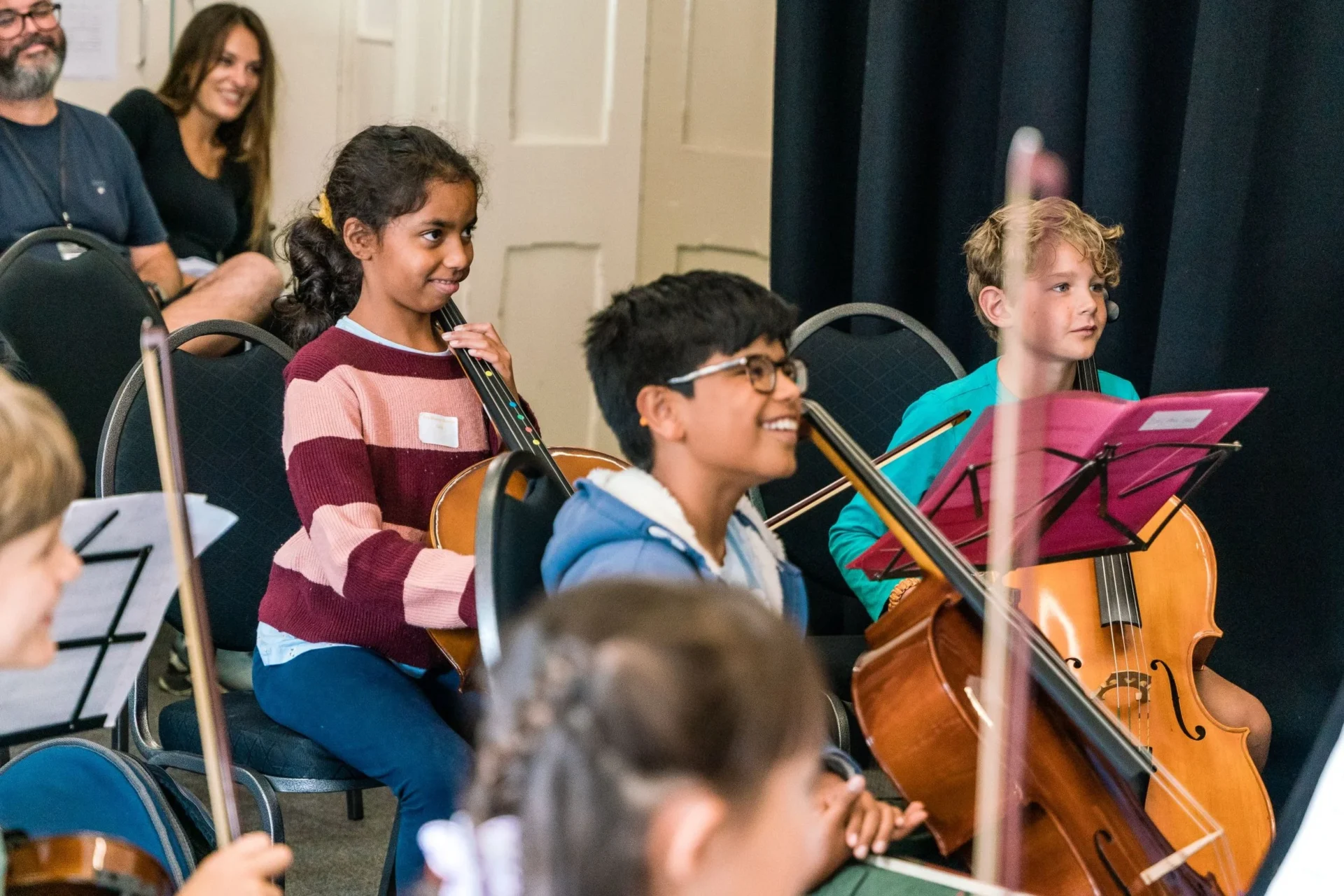
Over 3,000 students had individual or small group instrumental lessons each week. This long term, incremental progress that is the backbone of what we do.
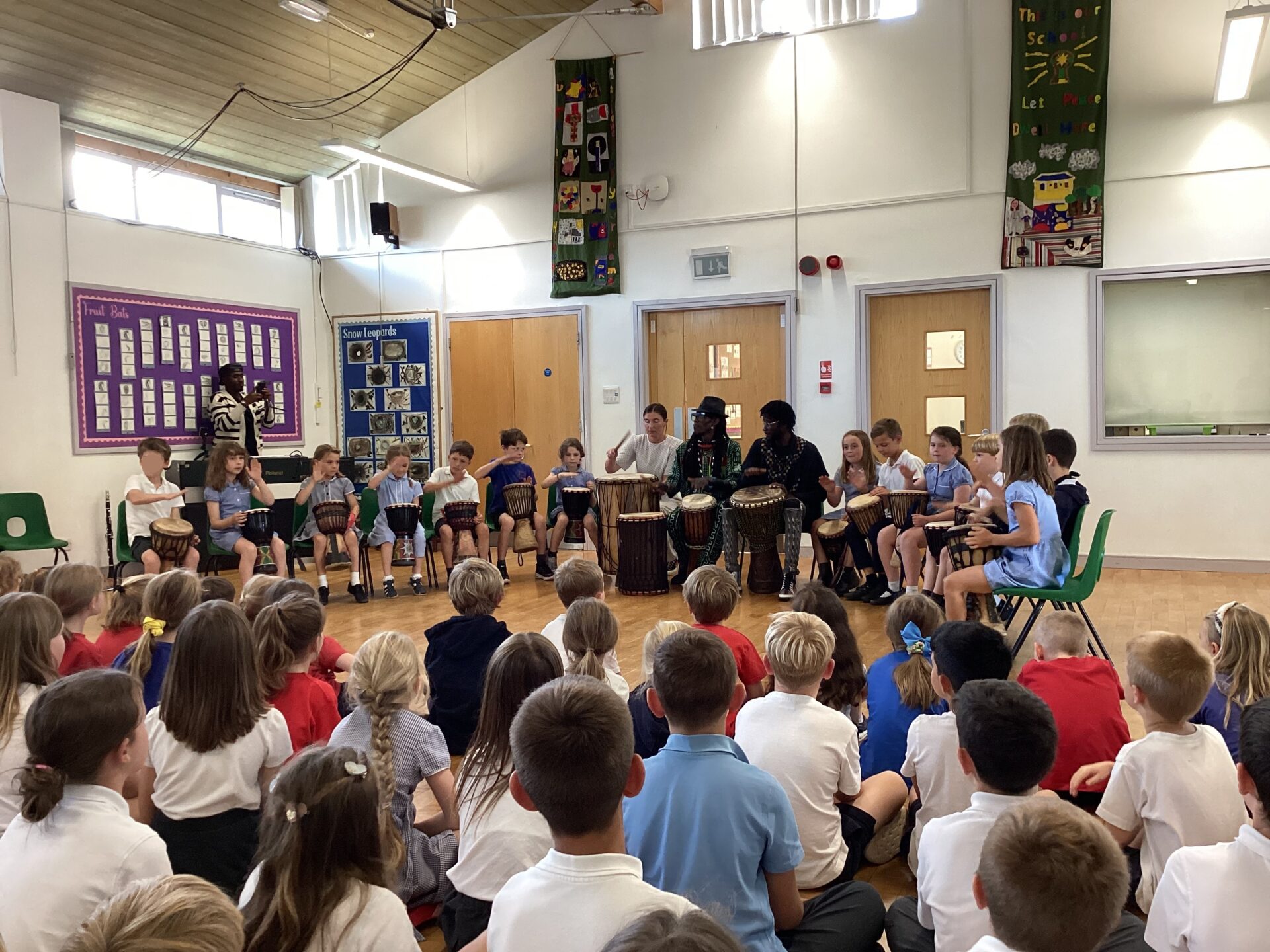
Meanwhile, whole class ensemble teaching reached 54 per cent of our schools, up from 48 per cent last year, a key measure tracked by the Department for Education. And we engaged with over 98 per cent of our schools this year through meetings, support and training, putting WEMA at the top end of national performance tables for this measure.


Music Hub: Building Skills for Life
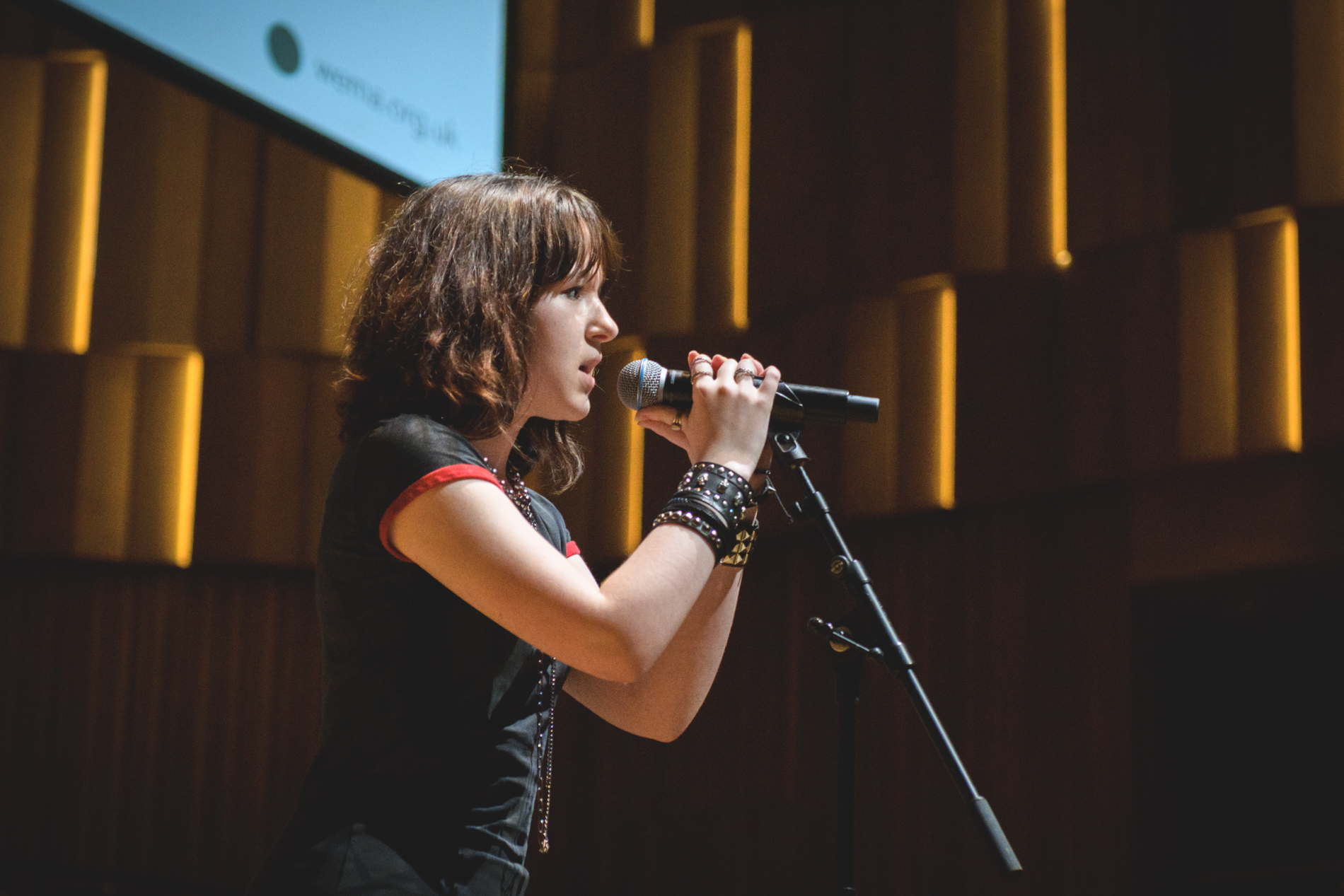
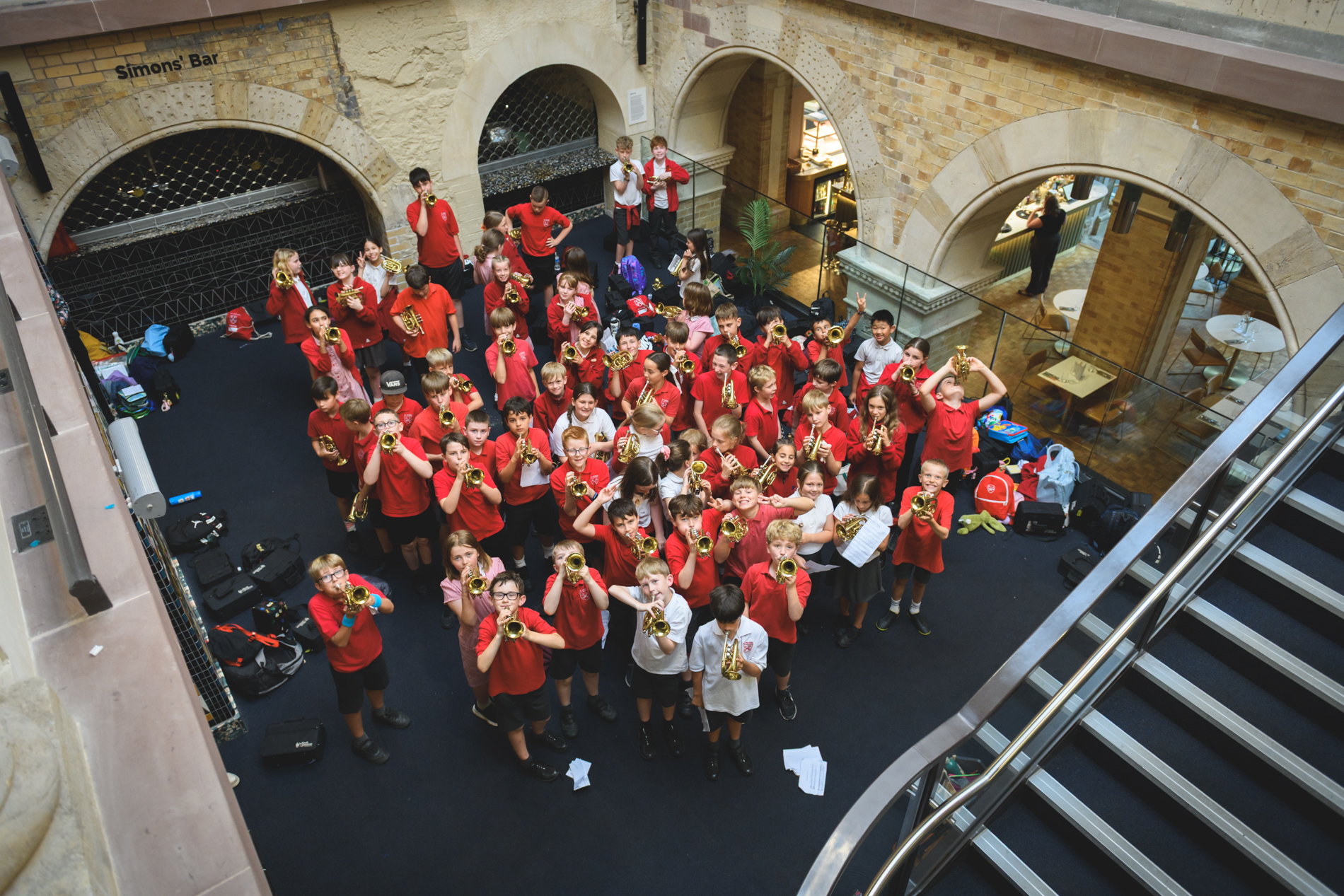
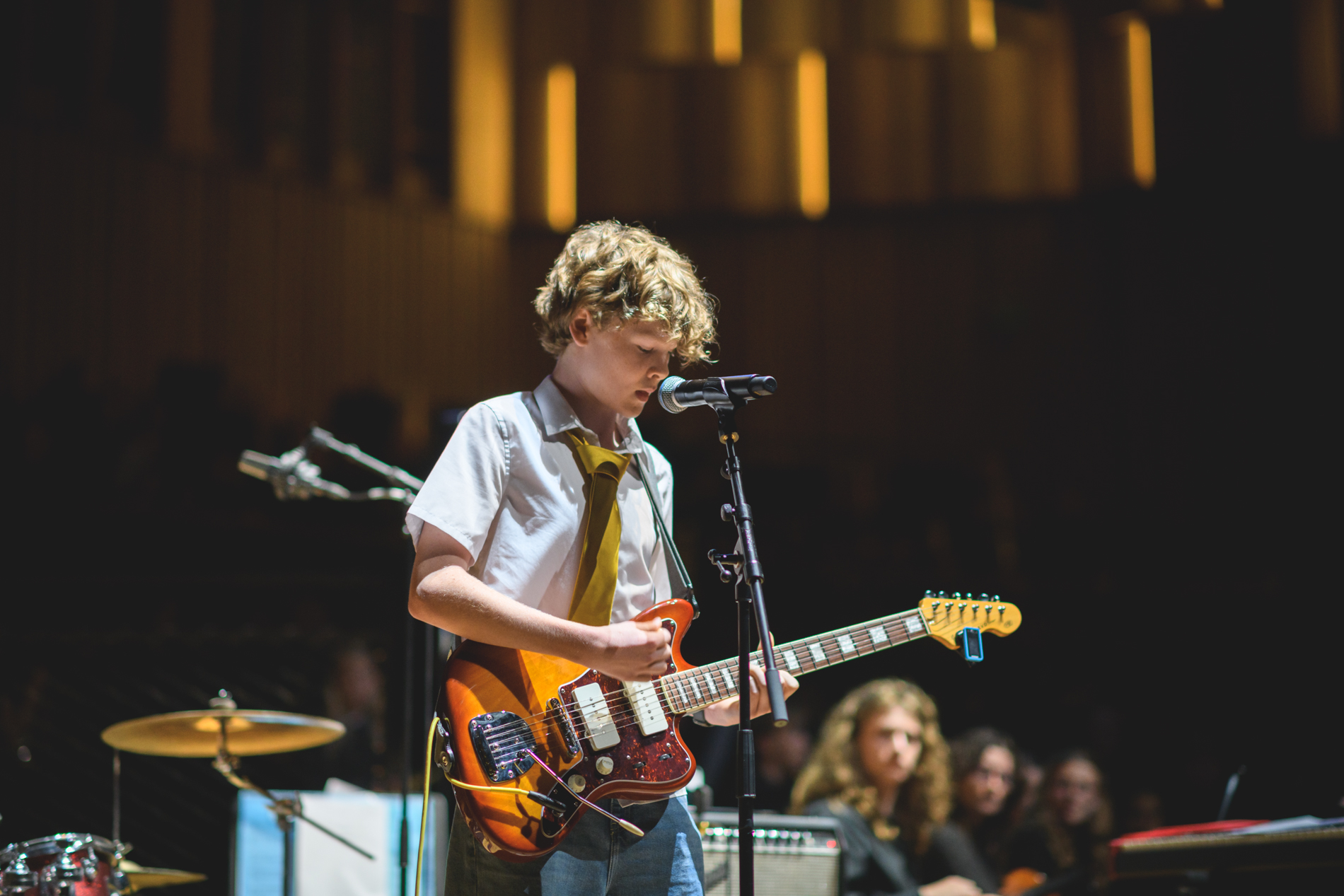
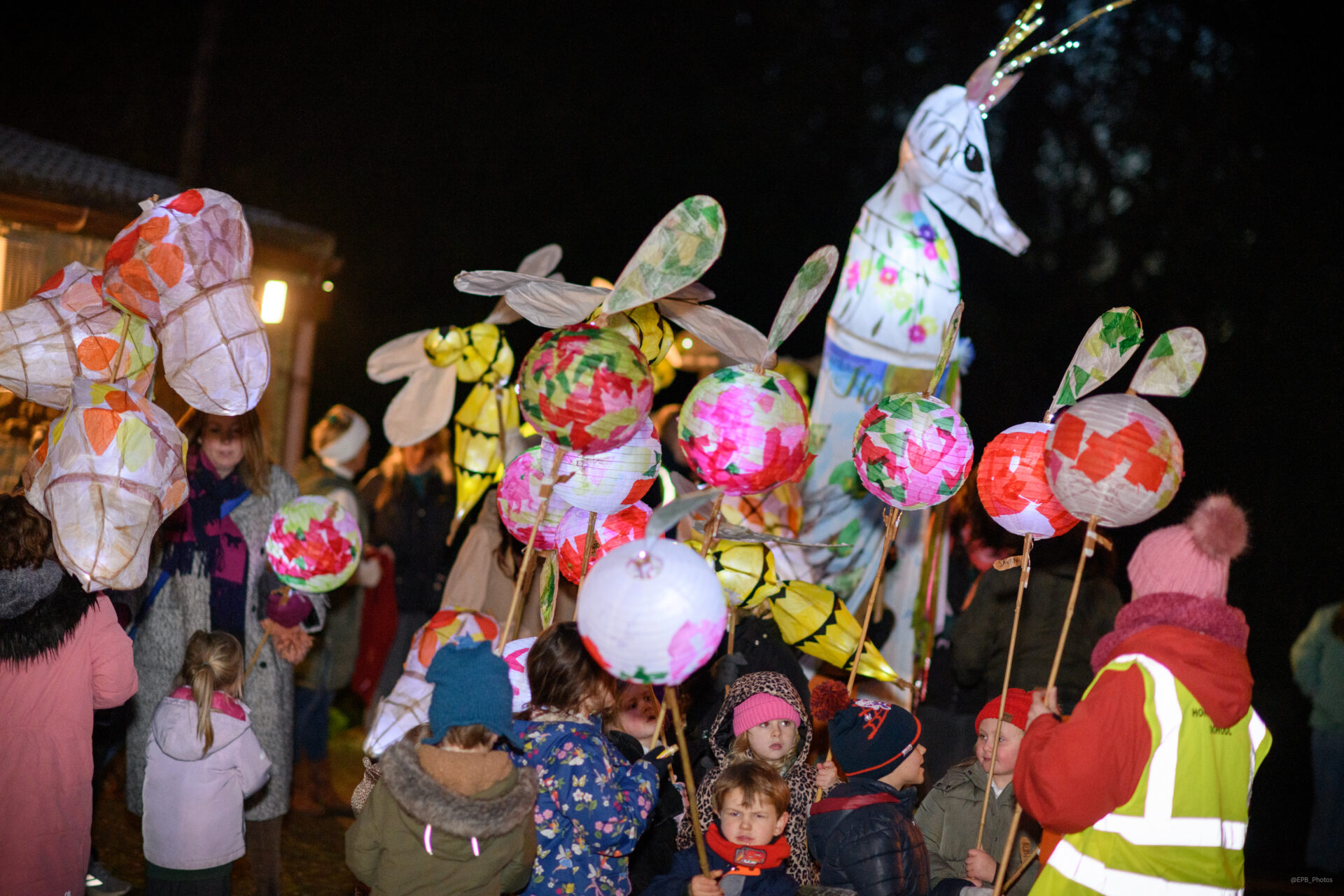
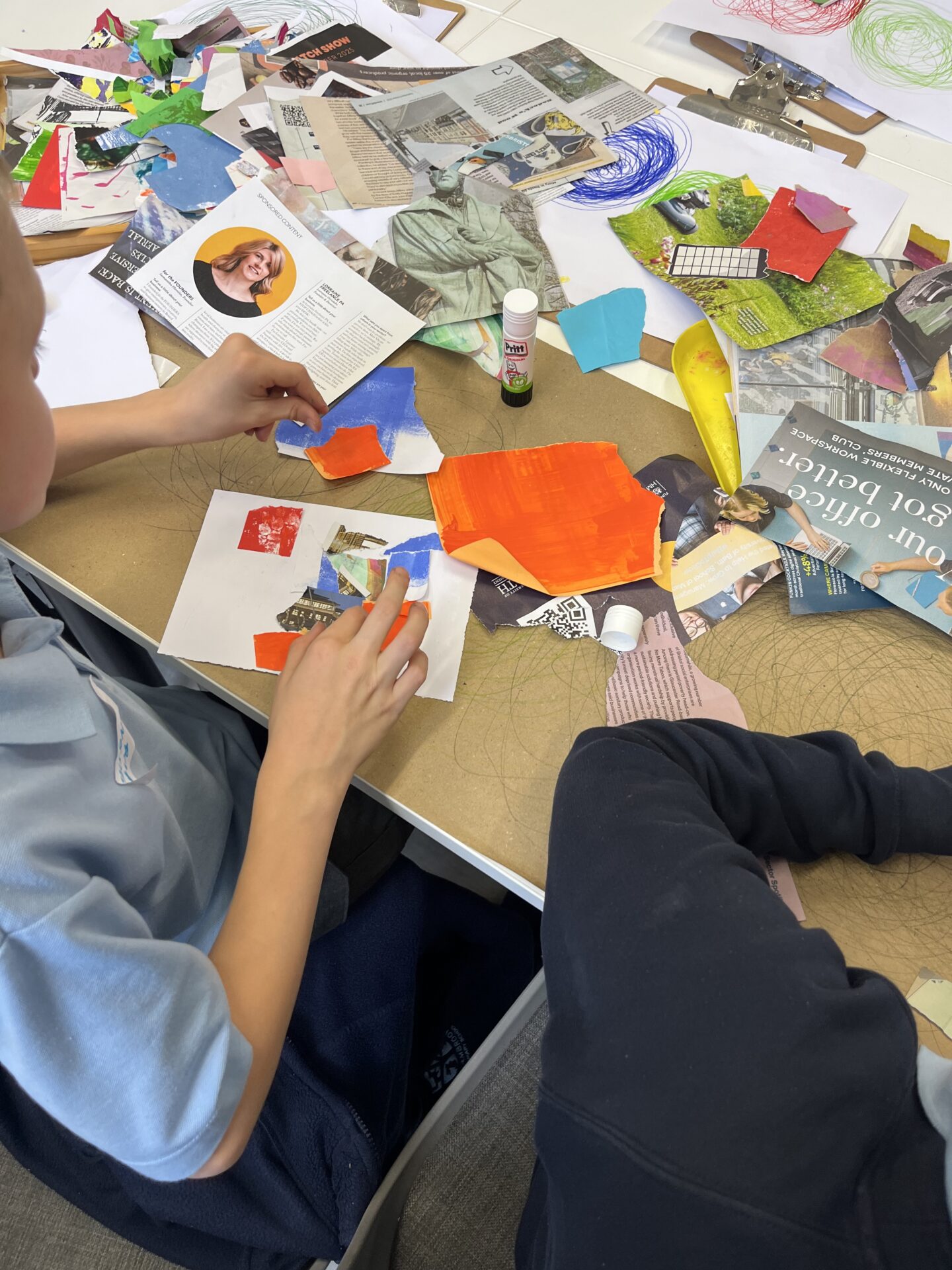
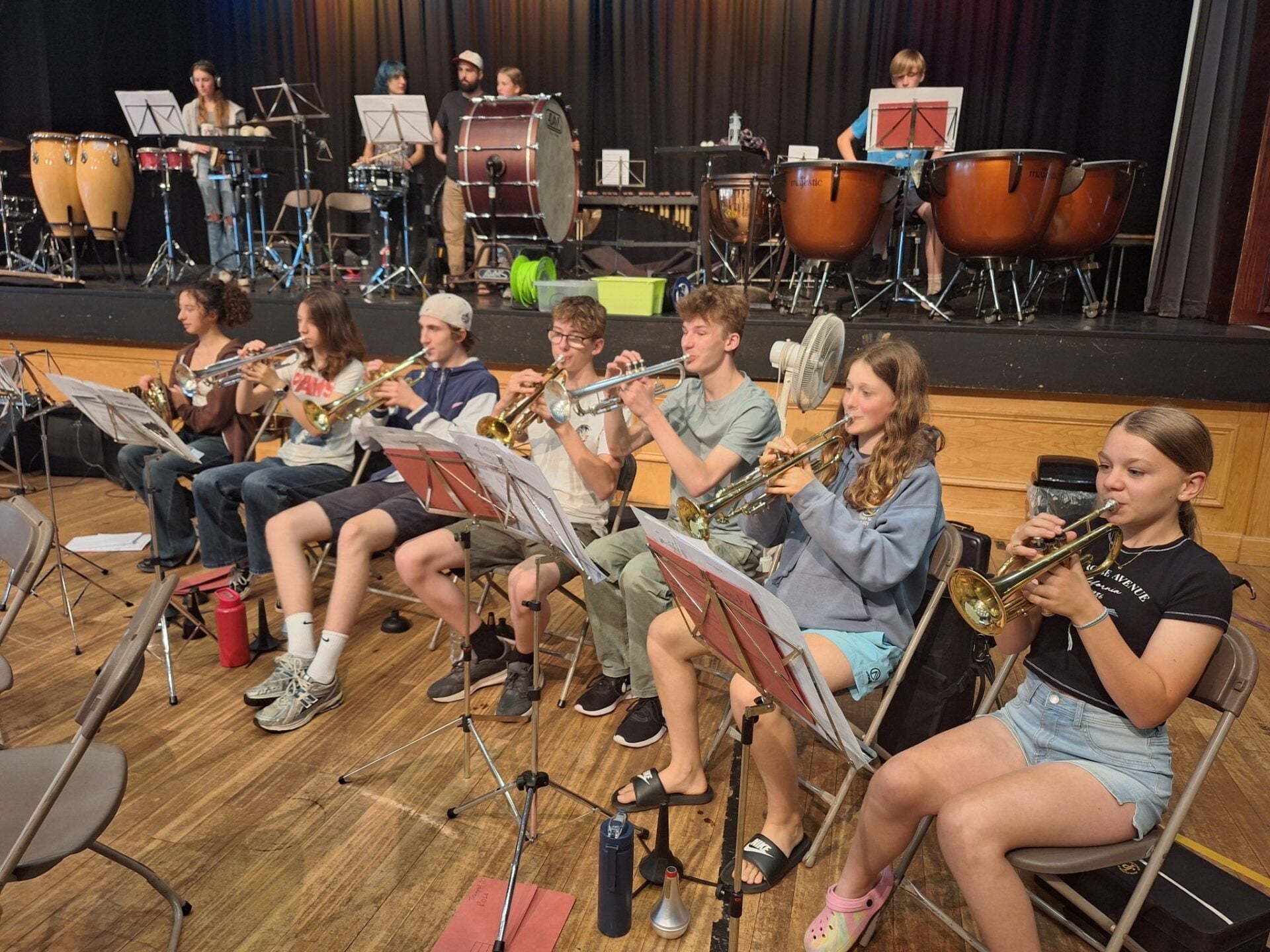
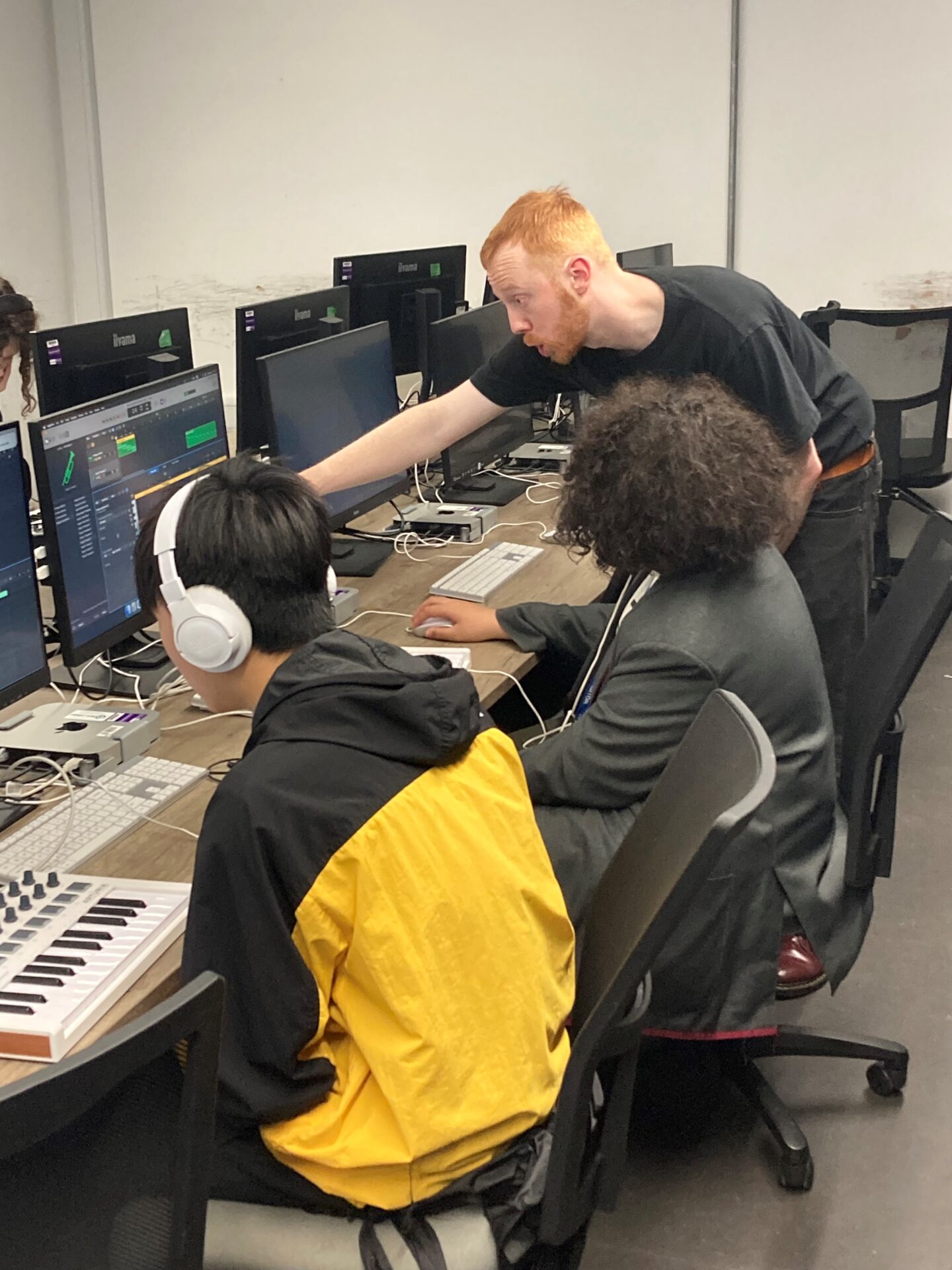
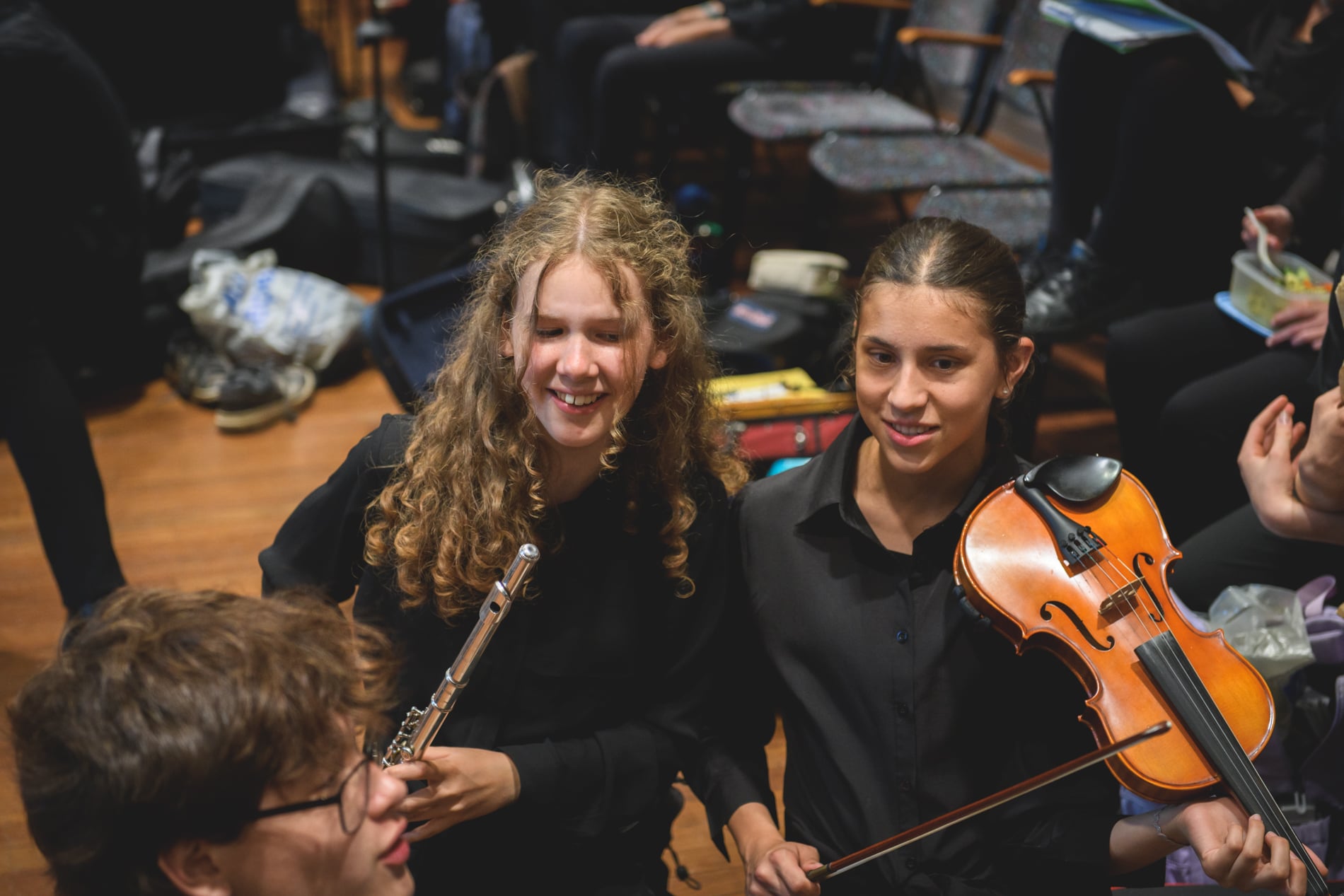
Our seven Music Centres, which give young musicians of all ages and skills the chance to perform in ensembles, ran every week for hundreds of students, alongside workshops, courses, our annual residential (now in its fifth year), and a range of composing, DJing and music production programmes.
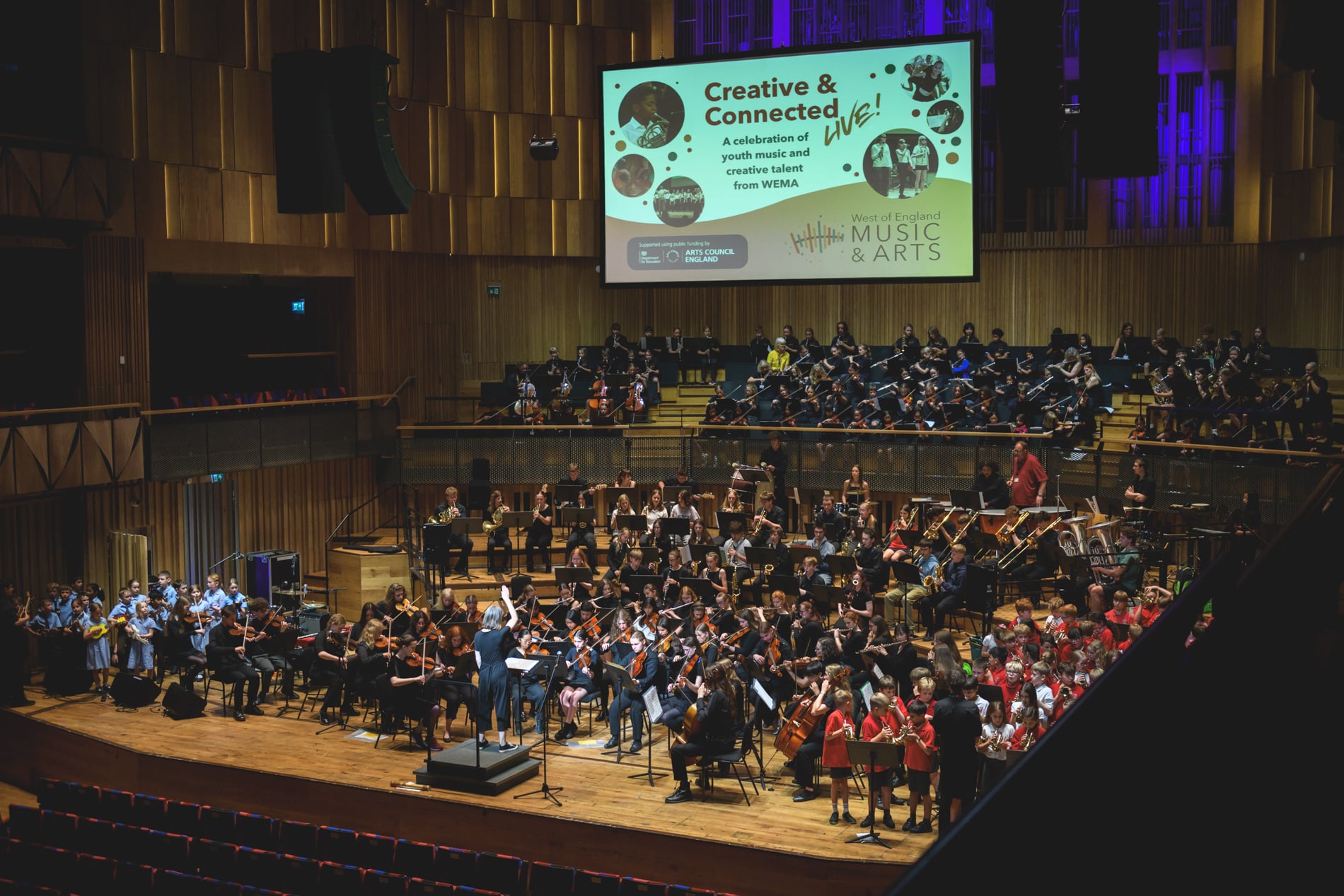
It was a year of standout moments too: our first large scale showcase at Bristol Beacon brought together more than 300 experienced and novice performers to the stage; our fourth spotlight event at St George’s Bristol showcased soloists, choirs and bands in partnership with Future Talent; and more than 1,000 KS2 singers took part in a singing day at Bristol Beacon.
Creative Health: Access and Inclusion
In Creative Health, nurture groups and therapy sessions ran weekly across the region, supporting children who face the greatest barriers to participation. The team launched a Sound in Nature pilot at Bath City Farm for young people with high anxiety, referred through CAMHS and the Cambridge Institute for Music Therapy Research, with findings from our nurture programme now heading for publication. Our Unscripted programme, for young people aged 8 to 14 with low level additional needs, engaged 17 young people across 50 individual enrolments in Weston super Mare this year alone.
We also expanded our work with Parent Carer Forums, working directly on the ground with those who support young people with SEND every day, and our special schools are increasingly able to access the same opportunities as mainstream schools.
Cultural Education Hub: A Fresh Model Validated By Research
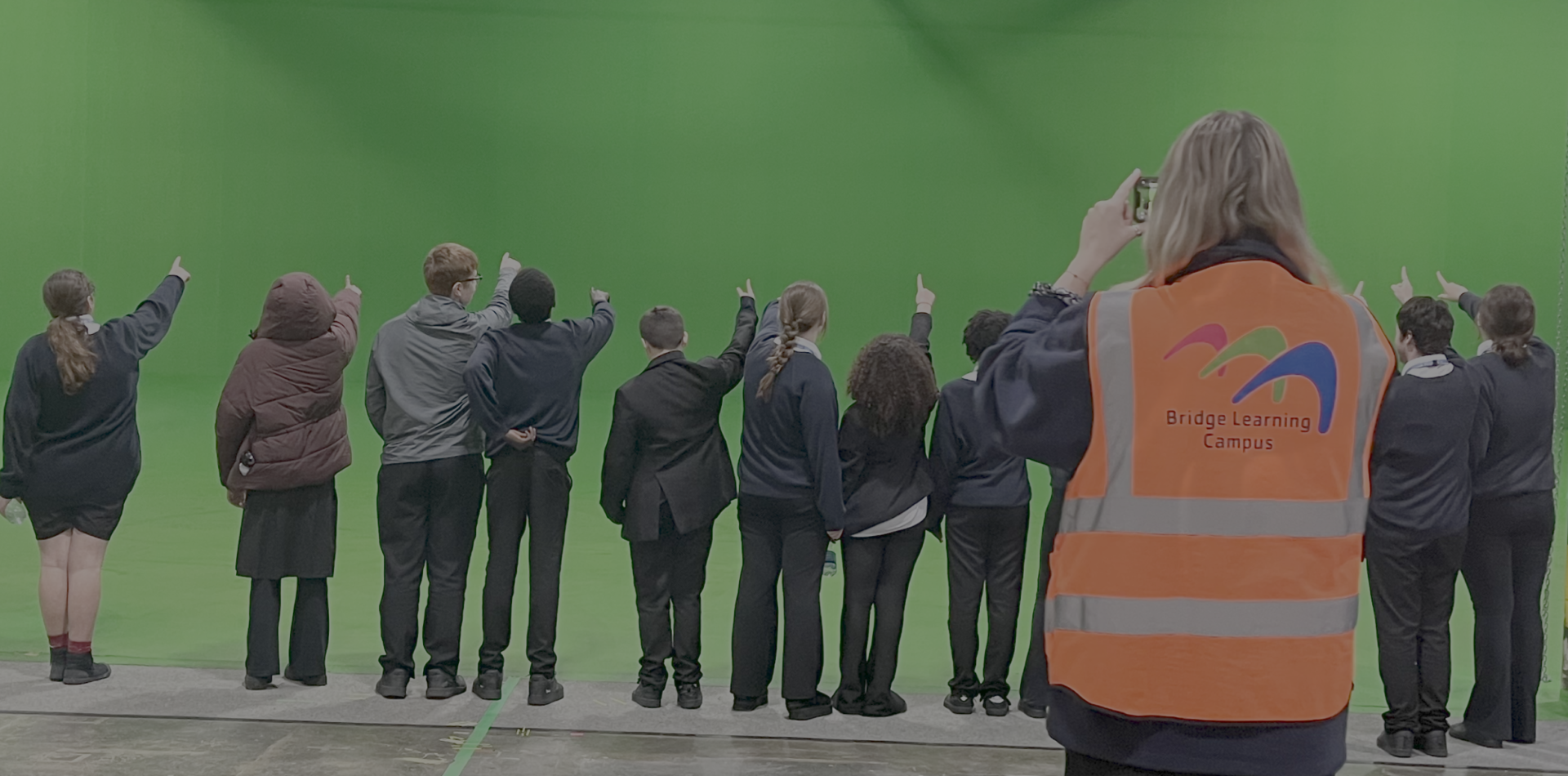
Through our Cultural Hub funding, we delivered seven creative residencies this year, supporting school wide improvement through creativity and the arts. We have developed a nationally unique model for supporting creative education, spanning dance, drama, photography, art and design, that is aligning directly with emerging government strategy and opening the door to direct conversations with government.
Case studies and two Research Reports published in May 2026 clearly showed that a single funded residency can reshape a school’s approach long after the artist has left, from new outdoor learning built into a school’s curriculum cycle to CPD that changes how staff teach across subjects. This body of research is of national significance, as a potential model that could be adapted and used across the country.
Recognition
To mark this progress, WEMA has been shortlisted as a finalist in the Innovators in Engagement category of the National Arts and Cultural Education Awards, one of just 9 finalists selected from 250 nominations nationally.
Looking Ahead
None of this benefit and impact happens by accident. It is the product of long-term relationships, skilled staff, and partnerships across the West of England that keep young people engaged in music, arts and creative health support year after year. We will look to raise the bar again in 2027, building on a year that cements a positive future for WEMA and the people, families and communities we serve.
Read the full Annual Report and explore more stories of impact on our new Impact pages, and find out how you can support this work through the Connect with WEMA page.