Developing a fresh model for cultural education
West of England Music and Arts has published two new research reports, exploring the impact and learning from the WEMA Cultural Education Hub.
Together, the reports show how the hub is building a practical, partnership-led model for cultural education: one that connects schools, creative practitioners, young people, communities and cultural organisations, responding to local needs and widening access to high-quality arts and creative learning. The research concludes that this cost-effective model could inspire similar initiatives across the country – given the funding and support it deserves.
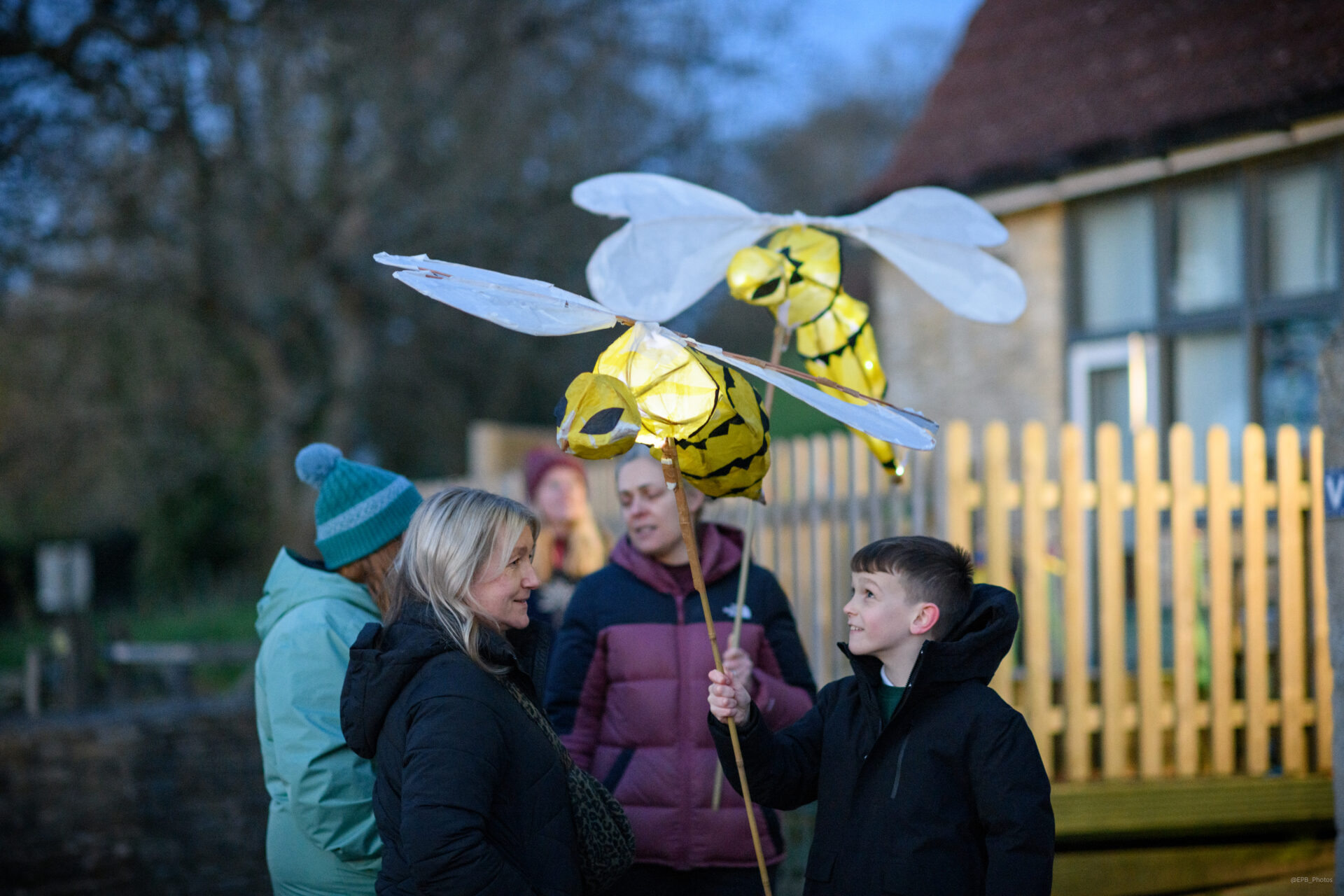
The research looks at two connected areas of work: the Creatives in Schools programme, which supported creative practitioners to work effectively with schools and young people, and Creative Residencies in Schools, which brought schools, artists, young people and communities together through longer-term creative projects.
The Hub was funded by the West of England Mayoral Combined Authority and Arts Council England through the Culture West programme.
Why this research matters
At a time when the role of creativity in education is receiving renewed national attention, WEMA’s research shows how cultural education can be strengthened through local partnerships.
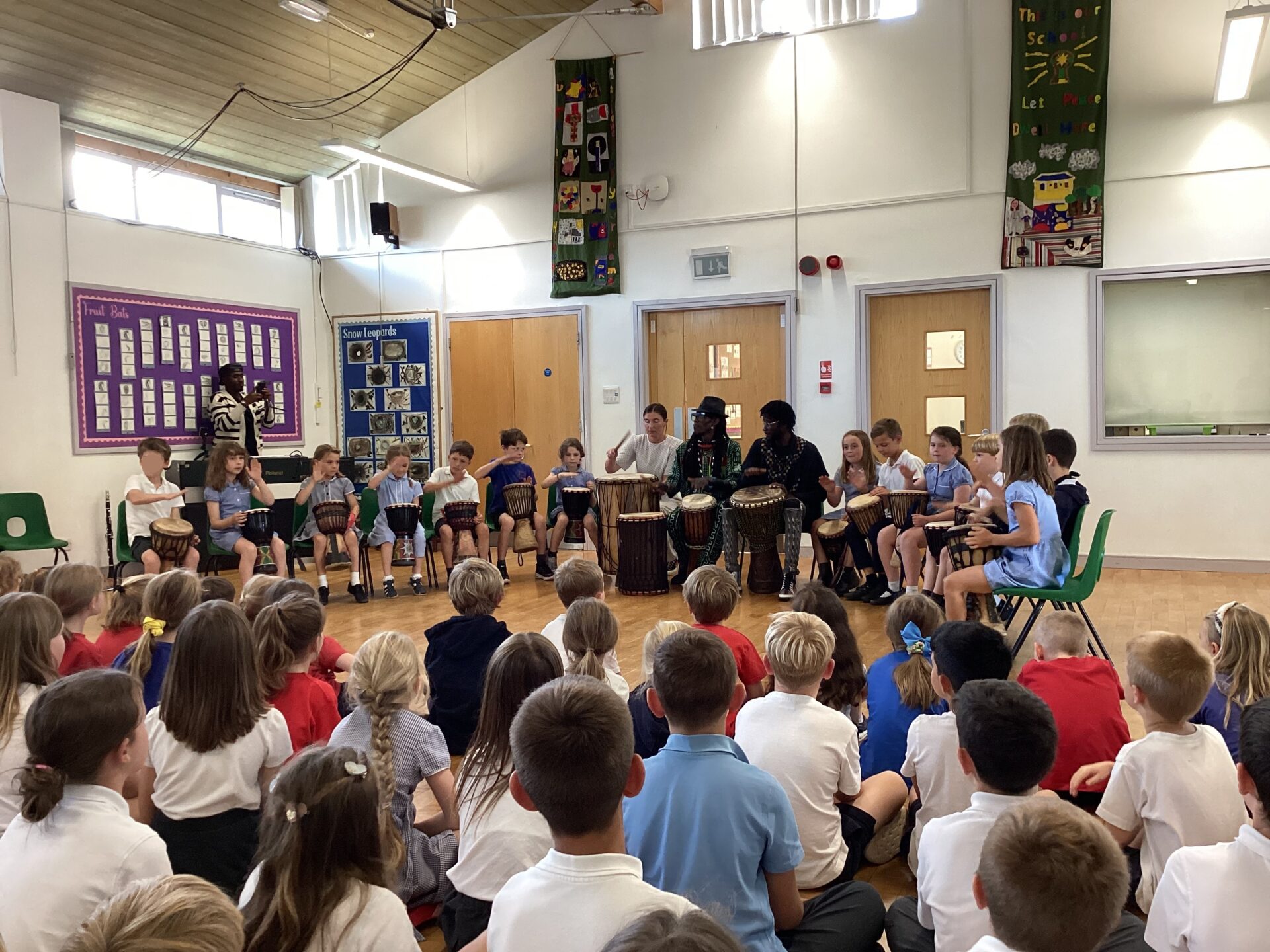
With £311,000 of funding over two years, the Hub has worked with more than 130 schools, 9,000 students, 300 teachers and 27 freelance creative practitioners across Bath and North East Somerset, Bristol, North Somerset and South Gloucestershire.
The findings show that creative learning can help young people build confidence, strengthen communication, express themselves, connect with their communities and imagine future possibilities. The research also highlights the importance of supporting creative practitioners, teachers and schools to work together in ways that have lasting value.
Rather than focusing only on one-off projects, WEMA’s Cultural Education Hub has developed a model based on relationships, professional support, local knowledge and shared purpose.
The research reports
Lighting the blue touch paper: Kickstarting the Arts Education Revolution
Authors: Dr Ally Daubney, Gregory Daubney (CPsychol) and Megan Clark
Lighting the blue touch paper: Kickstarting the Arts Education Revolution
Lighting the blue touch paper: Kickstarting the Arts Education Revolution
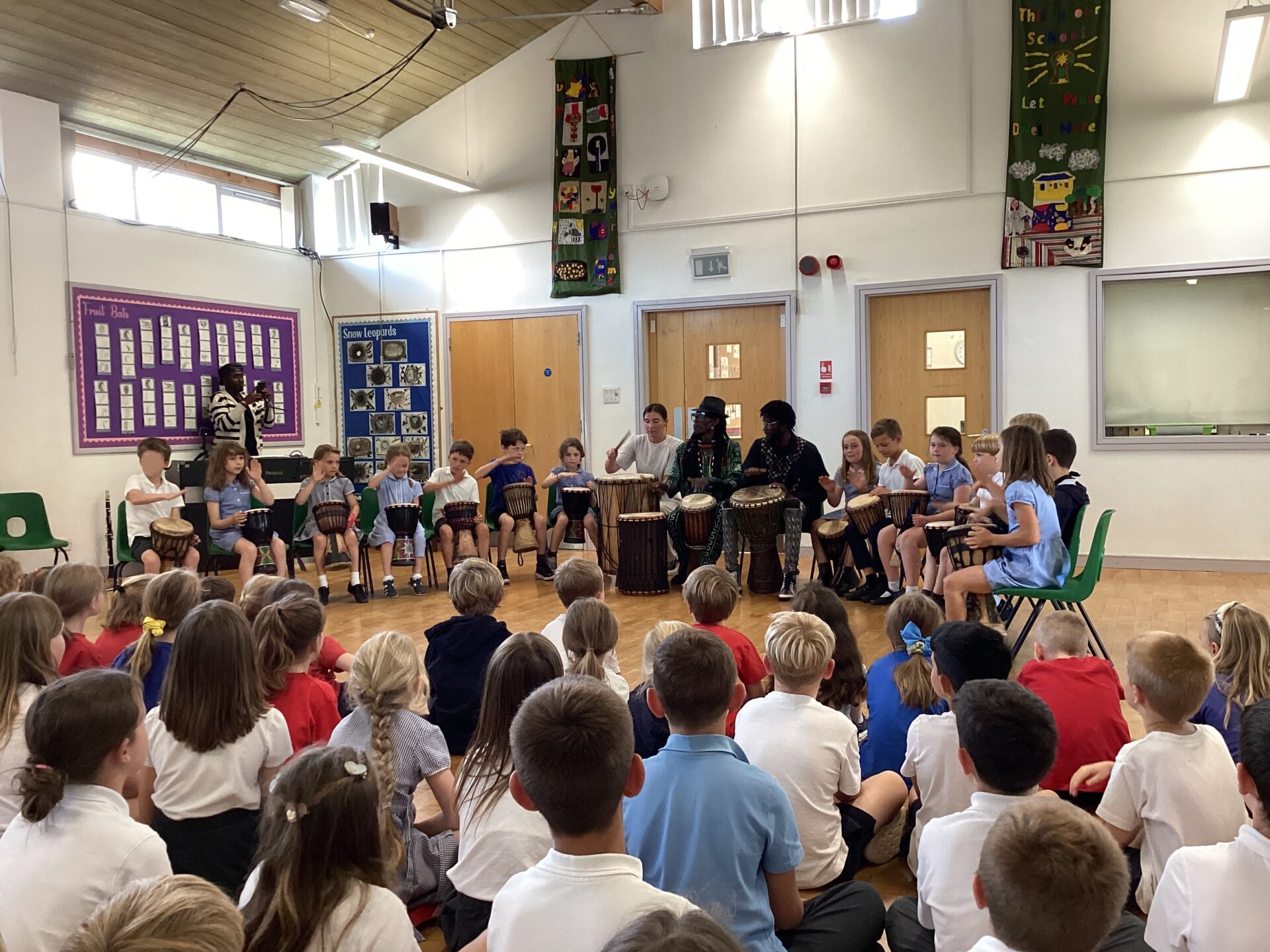
This report explores the “how” and “why” of supporting professional development and work opportunities for creative practitioners through WEMA’s Cultural Education Hub.
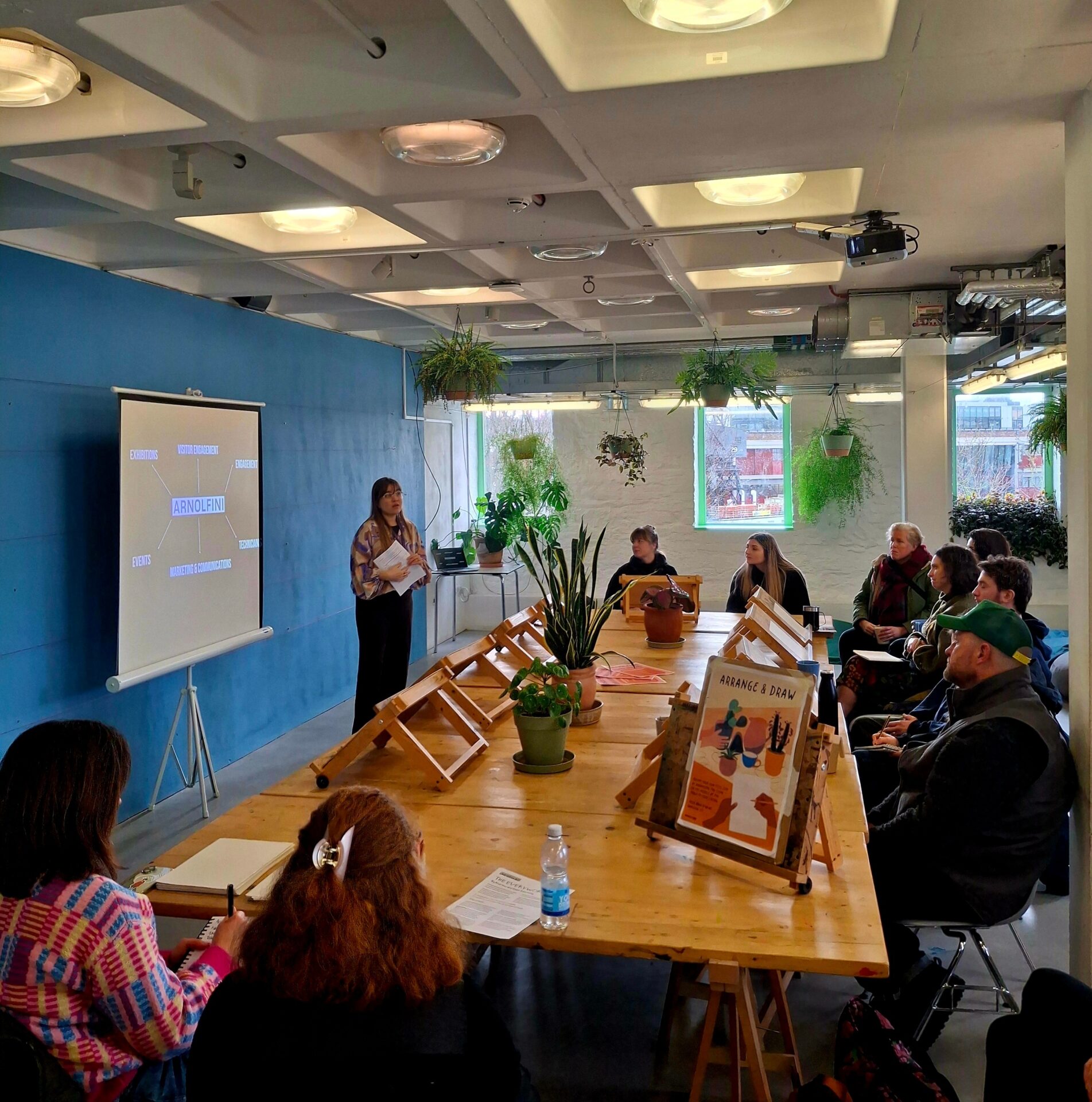
It focuses on the Creatives in Schools programme and examines how creative practitioners can be supported through mentoring, professional development, reflection and peer networks to work effectively with schools and young people.
The report highlights the importance of building a confident, connected and reflective creative workforce around schools. It also shows how WEMA’s Hub acts as a connector between creative practitioners, teachers, schools and cultural organisations, helping to build the relationships and infrastructure needed for meaningful cultural education.
So what happens next, then? Exploring learning and legacy in creative arts residencies brokered by WEMA Cultural Education Hub
Author: Dr Ally Daubney

So what happens next, then? Exploring learning and legacy in creative arts residencies brokered by WEMA
So what happens next, then? Exploring learning and legacy in creative arts residencies brokered by WEMA
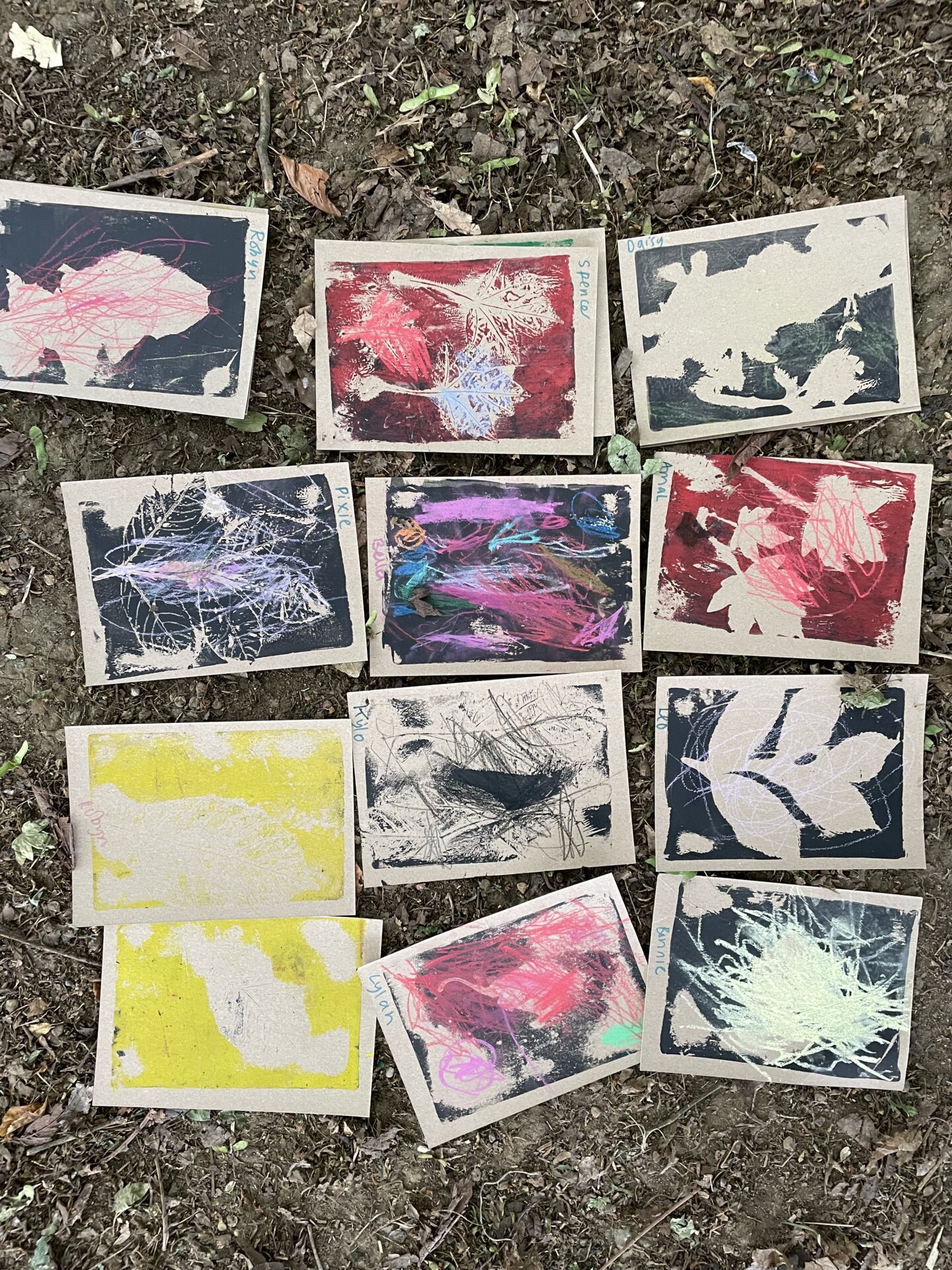
This report explores the learning and legacy from creative arts residencies brokered by WEMA’s Cultural Education Hub.
Through the Creative Residency Programme, WEMA supported schools and creative practitioners to co-design programmes that responded to identified school priorities, embedded creativity across the curriculum, built staff confidence and widened young people’s access to high-quality arts experiences.
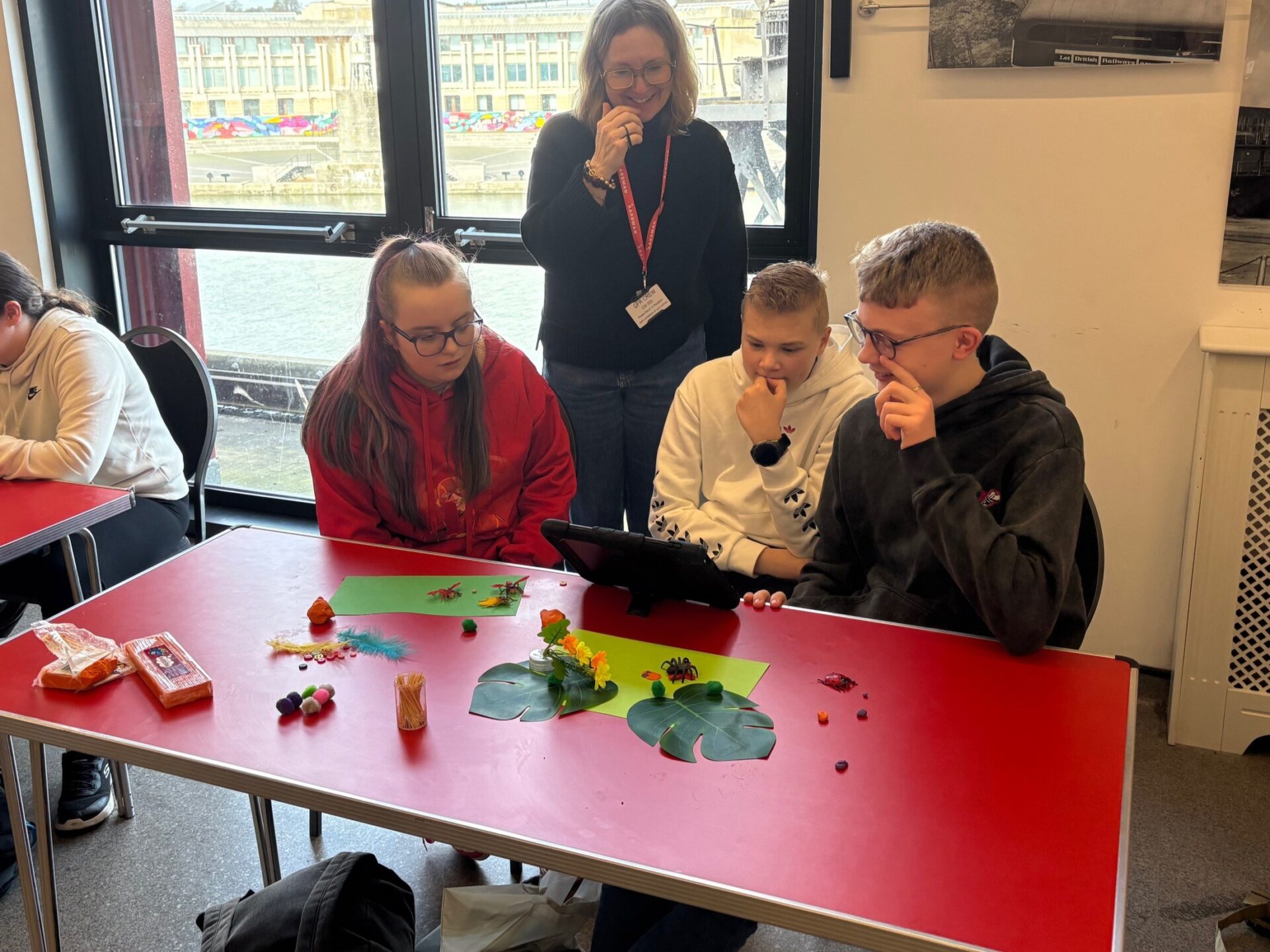
The residencies took place across primary, secondary and special school settings, exploring themes including oracy, emotional wellbeing, creative career pathways, SEND inclusion, community identity, curriculum enrichment and pupil engagement.
What the research shows – summary
Creative education can make a real difference for young people
Projects supported by the Hub helped pupils develop confidence, communication, creativity, emotional wellbeing, a sense of belonging and awareness of creative career pathways.
Schools benefit from strong creative partnerships
The Hub helped schools work with creative practitioners in ways that responded to their own priorities, including oracy, SEND inclusion, curriculum enrichment, community identity and pupil engagement.
Creative practitioners need support as well as opportunities
The Creatives in Schools research shows the value of mentoring, professional development, peer learning and reflective practice in helping artists work confidently and effectively in educational settings.
Longer-term residencies can create deeper impact
The Creative Residencies research shows the value of sustained creative work, allowing artists and schools to build trust, respond to pupils’ needs and create more meaningful outcomes.
WEMA’s Hub model has wider relevance
Rooted in the West of England, the research suggests that Cultural Education Hubs can play an important role in widening access, strengthening partnerships and building the infrastructure needed for cultural education.
A partnership-led model for cultural education
WEMA’s Cultural Education Hub shows how arts and creative learning can be strengthened through partnership.
The Hub acts as a connector between schools, creative practitioners, cultural organisations and communities. It helps schools access high-quality creative practice, supports artists to work effectively in education settings, and creates opportunities for young people to experience arts and culture as part of a broad and inclusive education.
The research suggests that this model can help turn limited investment into wider local capacity by building relationships, developing skills and creating opportunities that last beyond individual projects.
About the authors
The research was led by Dr Ally Daubney, a researcher, teacher and educator with extensive experience in creative and cultural learning, curriculum development, assessment and education research.
The creative practitioner report was co-authored by Gregory Daubney (CPsychol), a Chartered Psychologist with experience supporting performers and creative professionals, and Megan Clarke, who was programme lead for WEMA’s Cultural Education Hub during the period of the research.
Other Reports, Research and Toolkits
Development of Creative Practitioners –
Rapid Research Review
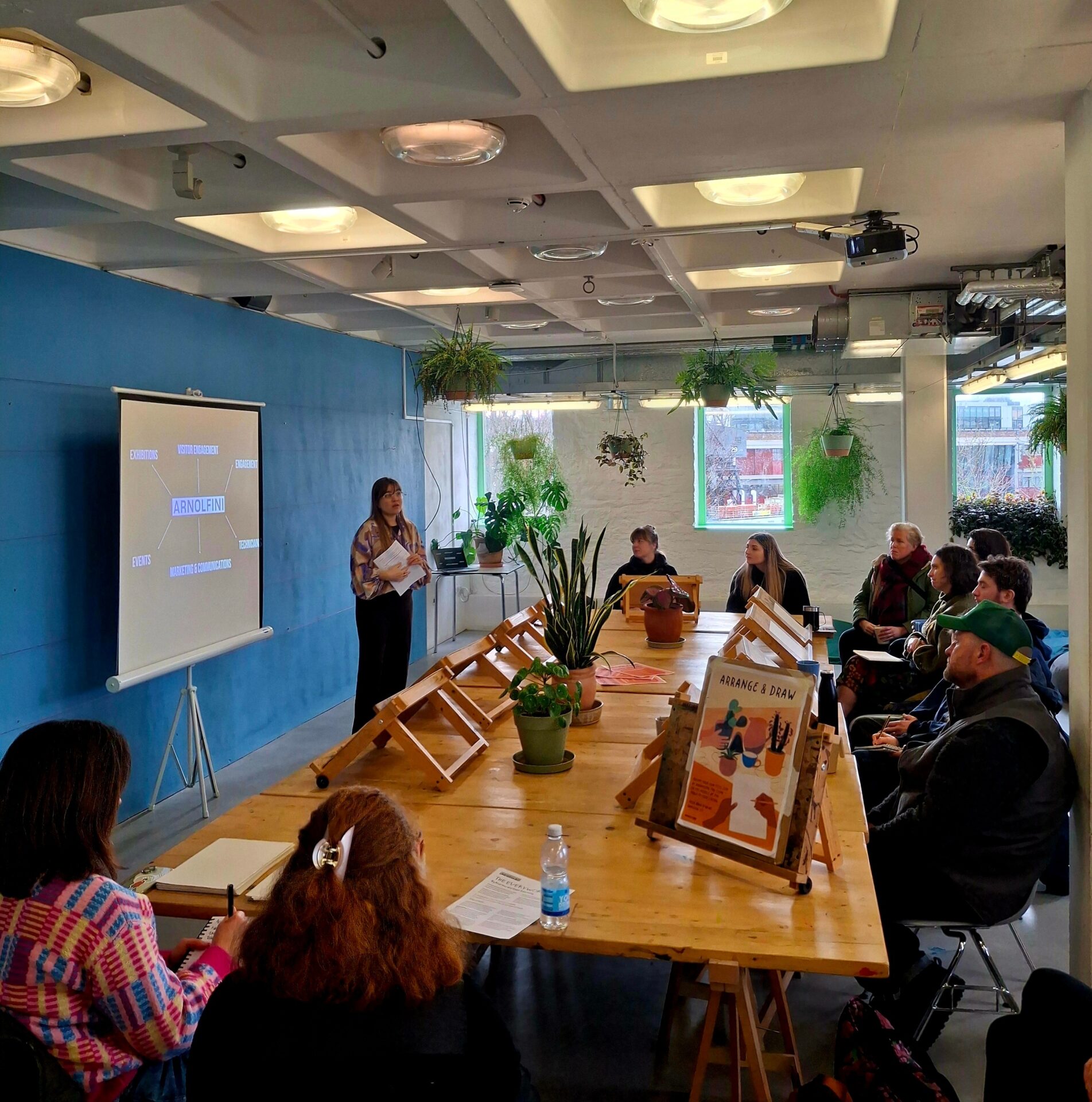
Commissioned by West of England Music and Arts (WEMA) to identify learning about creative and cultural practitioners working with young people and teachers.
Evaluation and development plan toolkit
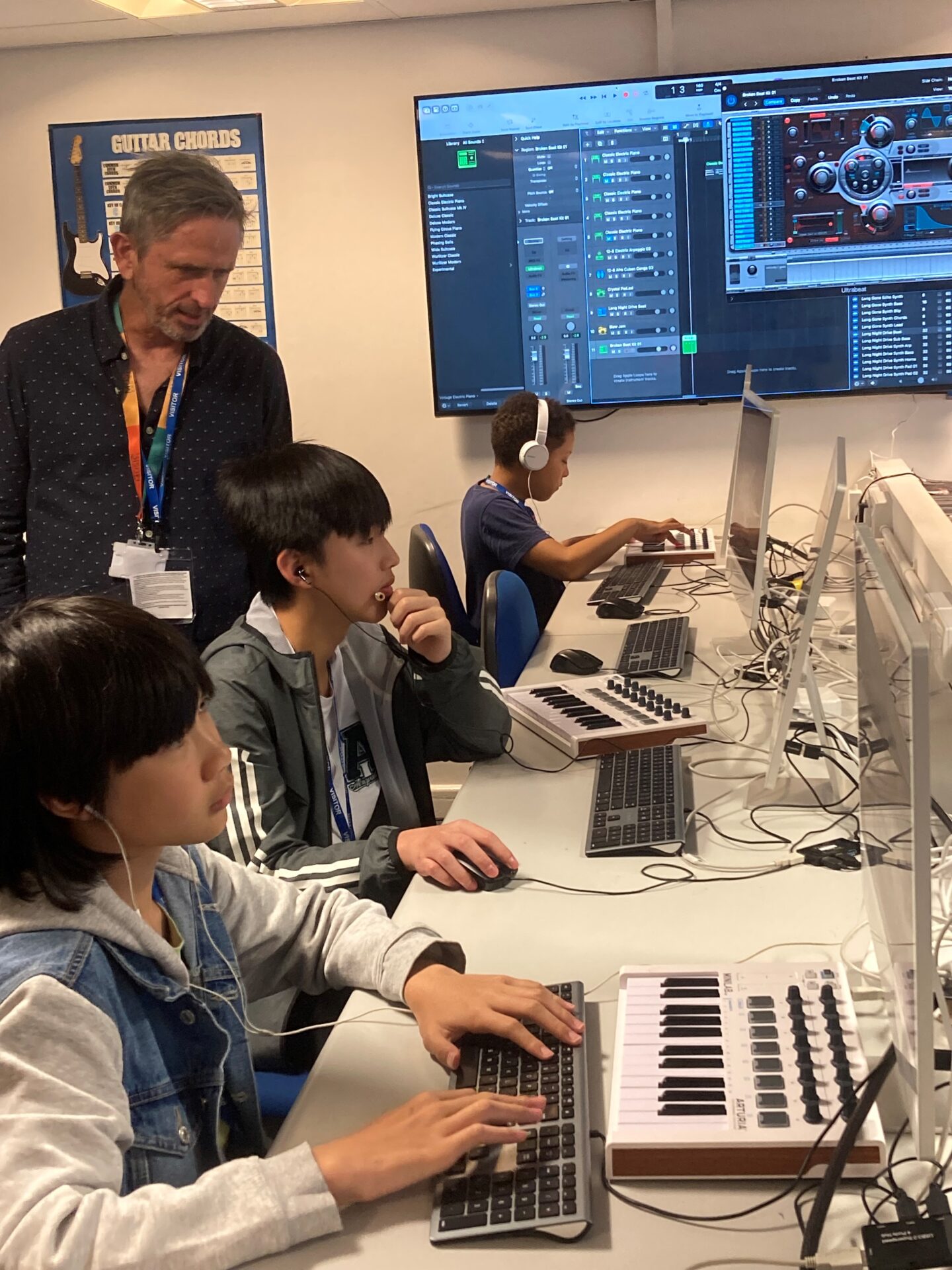
WEMA’s Wayfinder Toolkit supports teachers and schools to audit, develop, and strengthen your music and arts provision. It is updated regularly to reflect best practice, sector research and current DfE expectations. Note: The toolkit is NOT available to pupils or parents/carers.

Seen and Heard Toolkit
A creative education toolkit, for educational professionals to hold conversations with young people experiencing Emotional Based School Avoidance (EBSA).
Contact Us
We are keen to hear from funders, academics, education specialists, government, media and other stakeholders about this research, so please use the contact form below to get in touch.